Ever been in a corporate cab, feeling uneasy about the ride but unsure what to do? Maybe the AC isn’t working, the driver seems distracted, or the ride just doesn’t feel secure.
These are everyday experiences for countless commuters, yet traditional corporate mobility solutions have barely scratched the surface of improving them.
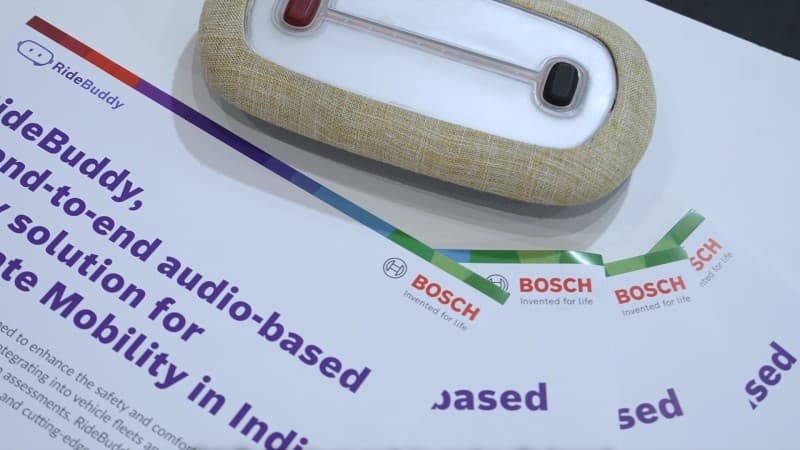
At Bosch, we saw an opportunity to change that. RideBuddy isn’t just another tracking device—it’s designed to make every ride safer, smarter, and more intuitive for passengers and fleet operators alike. But making this vision a reality wasn’t just about technology; it was about crafting an experience that feels seamless, effortless, and human.
Bringing RideBuddy to Life: The UX Milestones That Mattered
A good product isn’t just about what it does; it’s about how it improves the experience. Our UX team embarked on a journey to build RideBuddy with one goal in mind: How can we create a ride experience that feels secure, effortless, comfortable, and intelligent? Here’s how we did it:
1. From Concept to Reality: The First Product Mockup
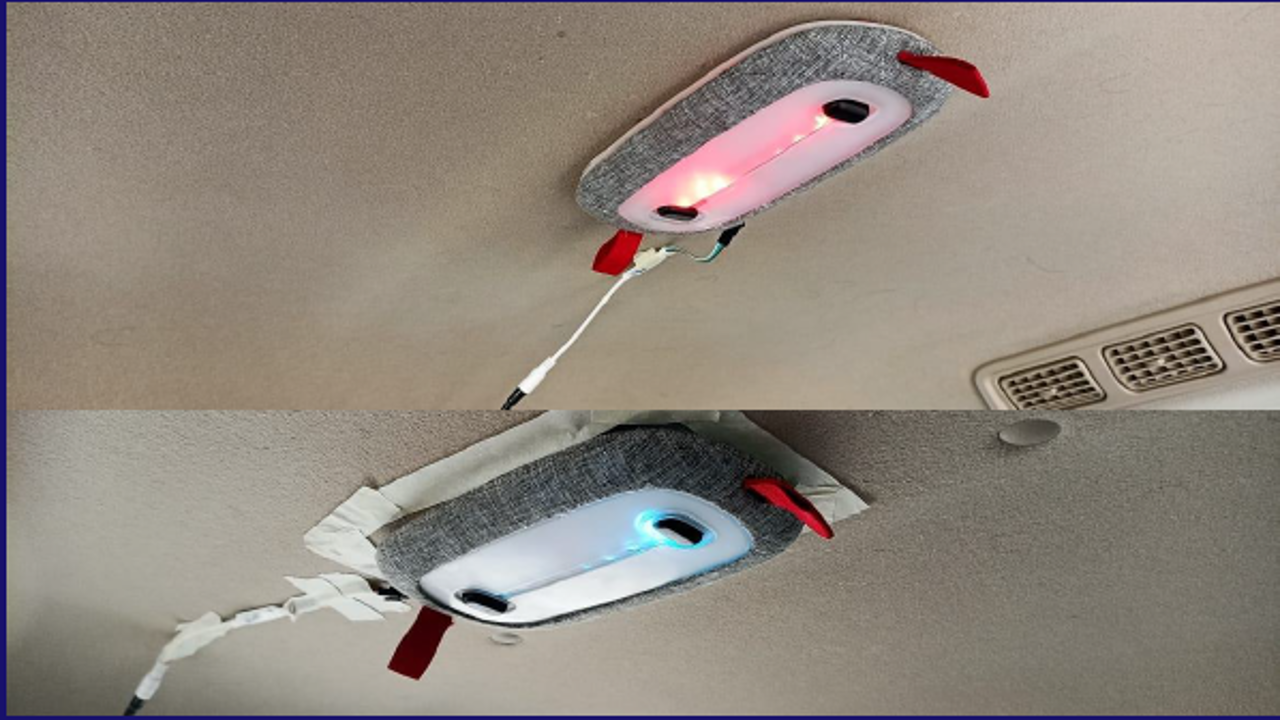
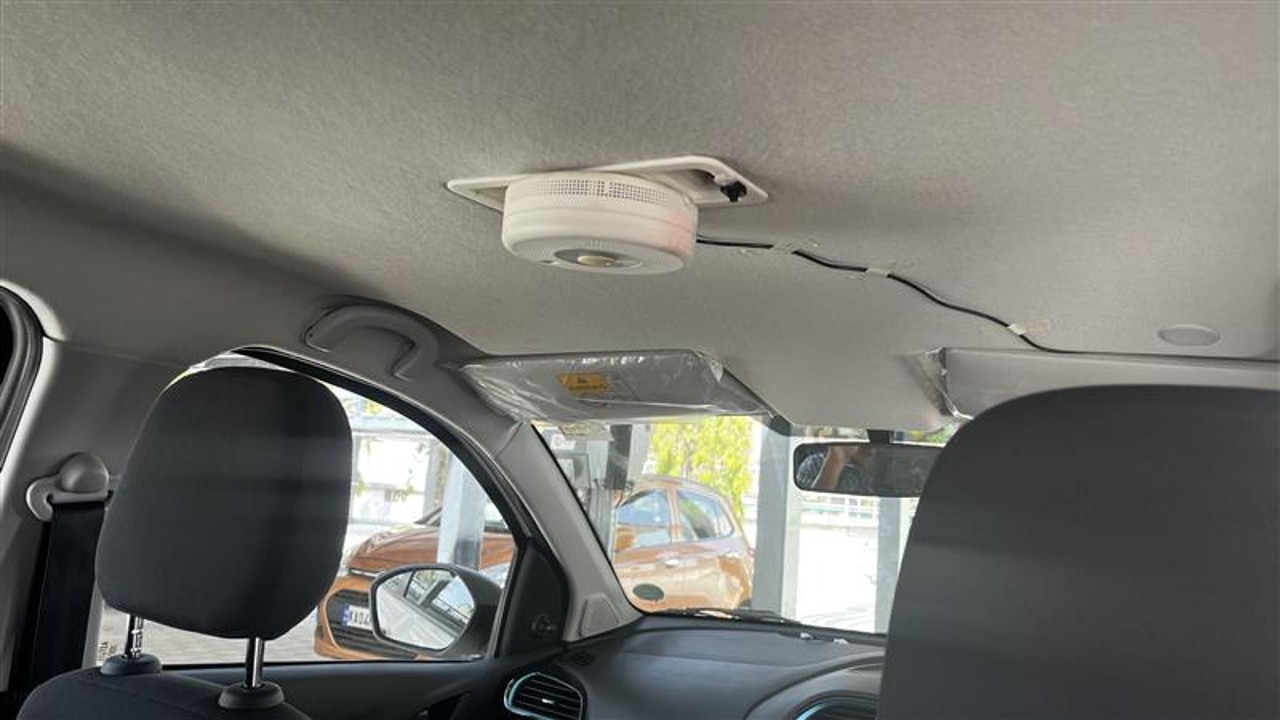
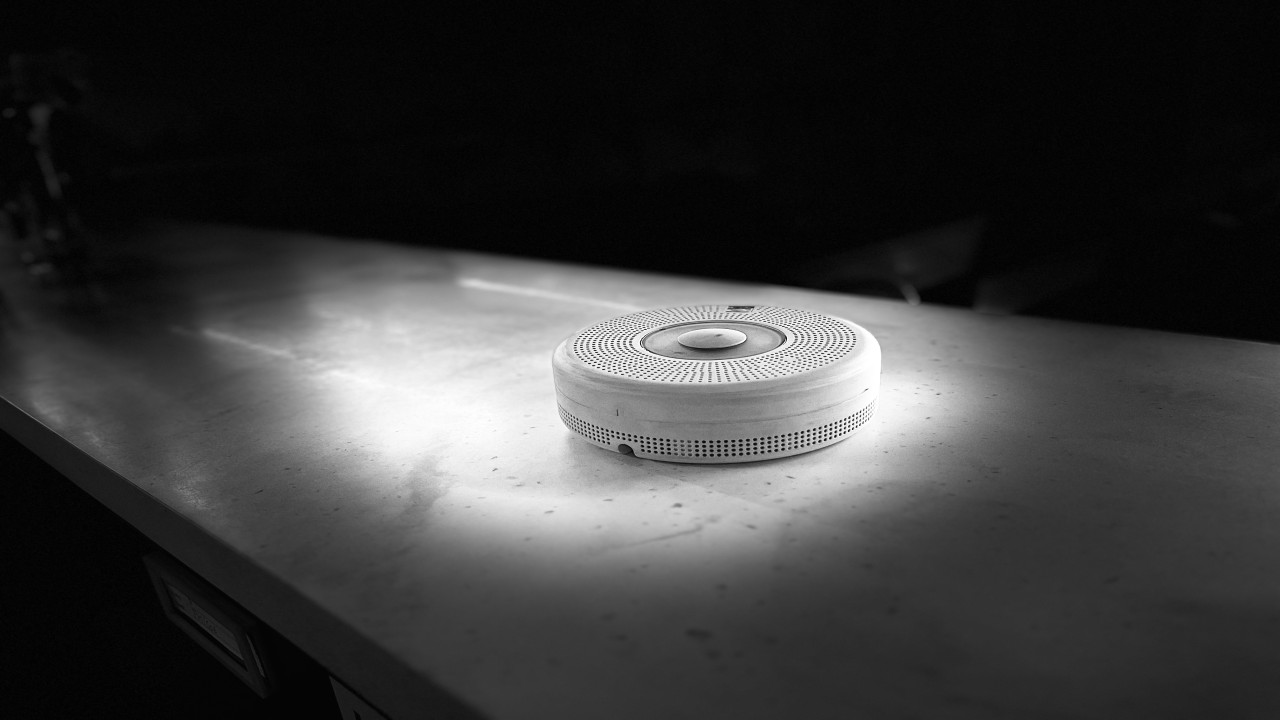
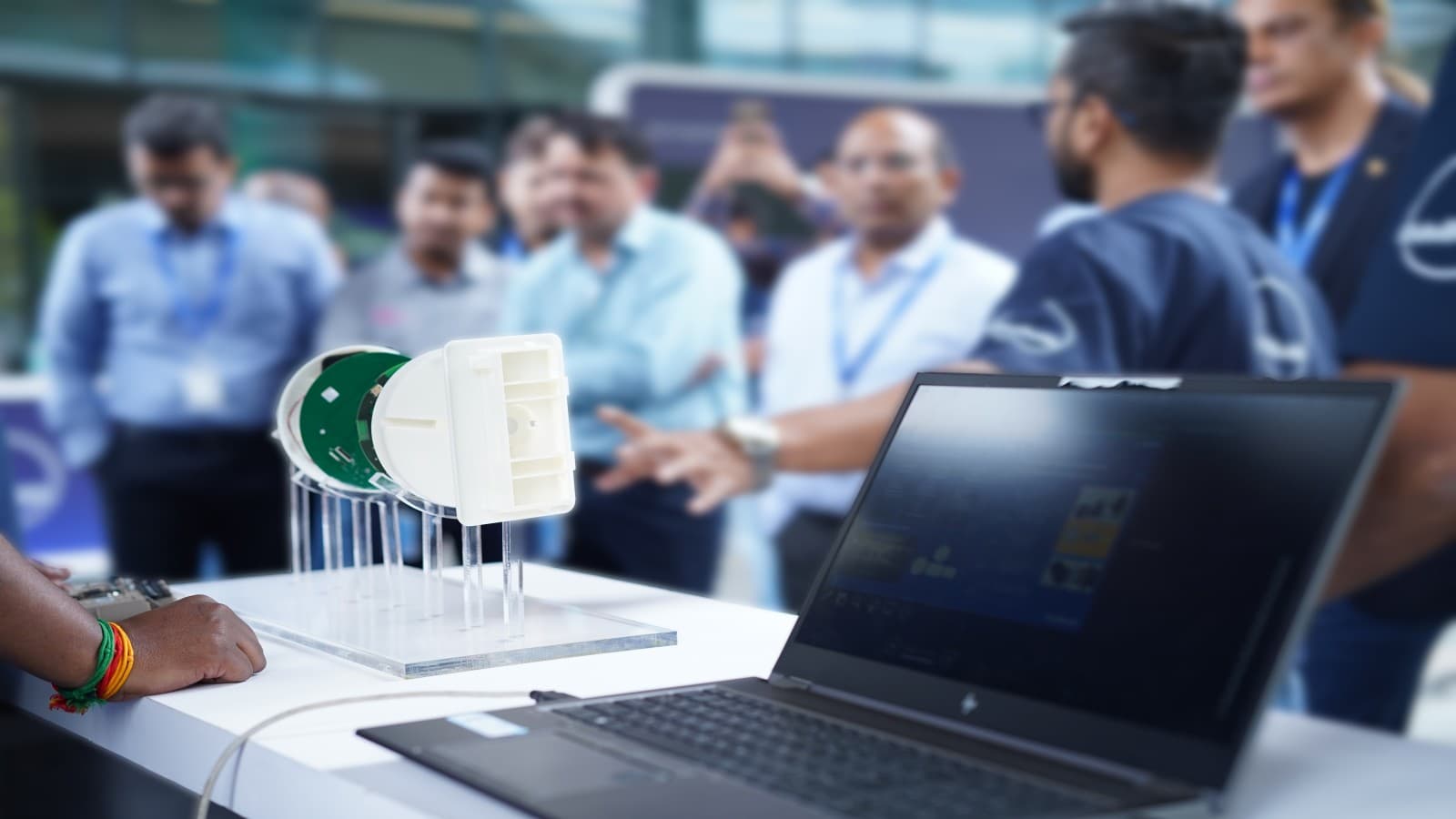
Concepts are easy to create, the real challenge lies in execution. Our first product mockup wasn’t just about aesthetics—it was about giving people something tangible to interact with. Seeing RideBuddy in action sparked real conversations, helping us fine-tune the in-car experience, dashboard usability, and interaction design.
2. Mapping the User Journey: The Service Design Blueprint
Every ride has touchpoints—the moment you get into the car, how you interact with safety features, the feedback you receive when something is off. Our Service Design Discovery Blueprint mapped these moments, identifying pain points and opportunities. This became our guiding playbook, ensuring that every feature served a clear purpose and solved a real problem.
3. A Dashboard designed for seamless performance
A cluttered dashboard leads to confusion. Our first production-ready dashboard UI was designed to be intuitive, ensuring fleet managers and corporates could make quick decisions without unnecessary friction. Through rapid testing and iteration, we ensured that data insights were easy to access and act upon.
4. Smarter Interactions: Introducing Nudge Messages
People don’t need more notifications; they need the right information at the right time. By introducing context-sensitive nudge messages, we guided users to take necessary actions without overwhelming them—whether it was an alert about an issue inside the vehicle or a simple reassurance that their ride was being monitored for safety.
5. Real-World Testing: Learning from the Road
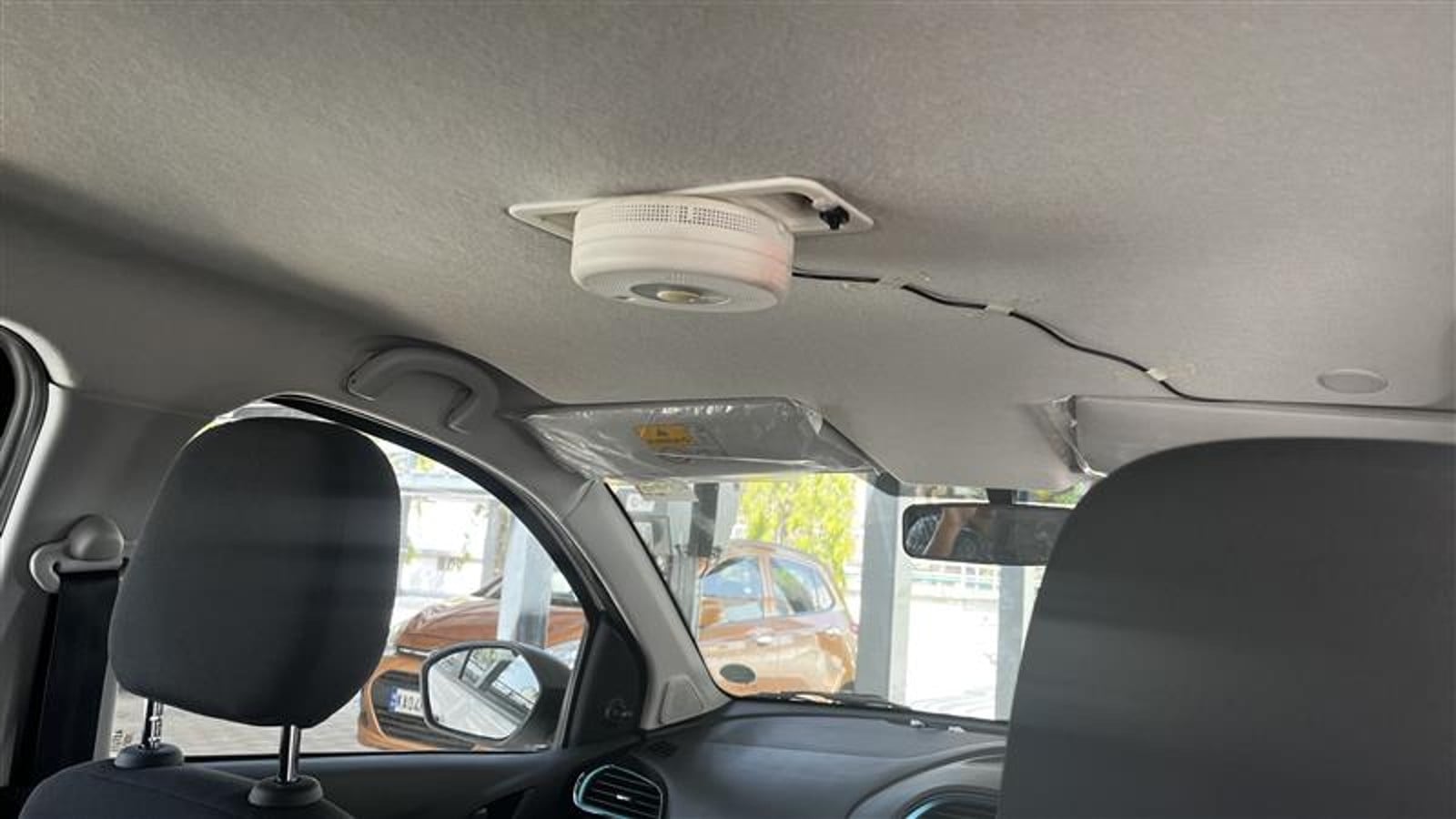
Designing in a controlled environment is one thing and validating it in real world driving conditions is another. Our first in-car testing phase revealed crucial insights—what worked in theory didn’t always translate to the real world. We identified gaps in user interaction, adjusted nudge timings, and refined the experience to feel natural and non-intrusive and tried to break the barriers of the communication created.
A Game-Changing UX Pivot: From SOS Pull Tag to SOS Button
One of our most significant UX advancements stemmed from a seemingly minor detail- the SOS mechanism. Initially, we had designed a pull tag for emergency alerts, thinking it would be an easy, intuitive solution. But when we tested it, we saw two major problems:
1️. Users hesitated in emergencies. The pull tag wasn’t immediately clear—some users didn’t realize pulling it would trigger an SOS, which could cost valuable seconds in a crisis.
2️. Engineering complexity slowed us down. The tag required intricate sub-assemblies, increasing failure risks and complicating production.
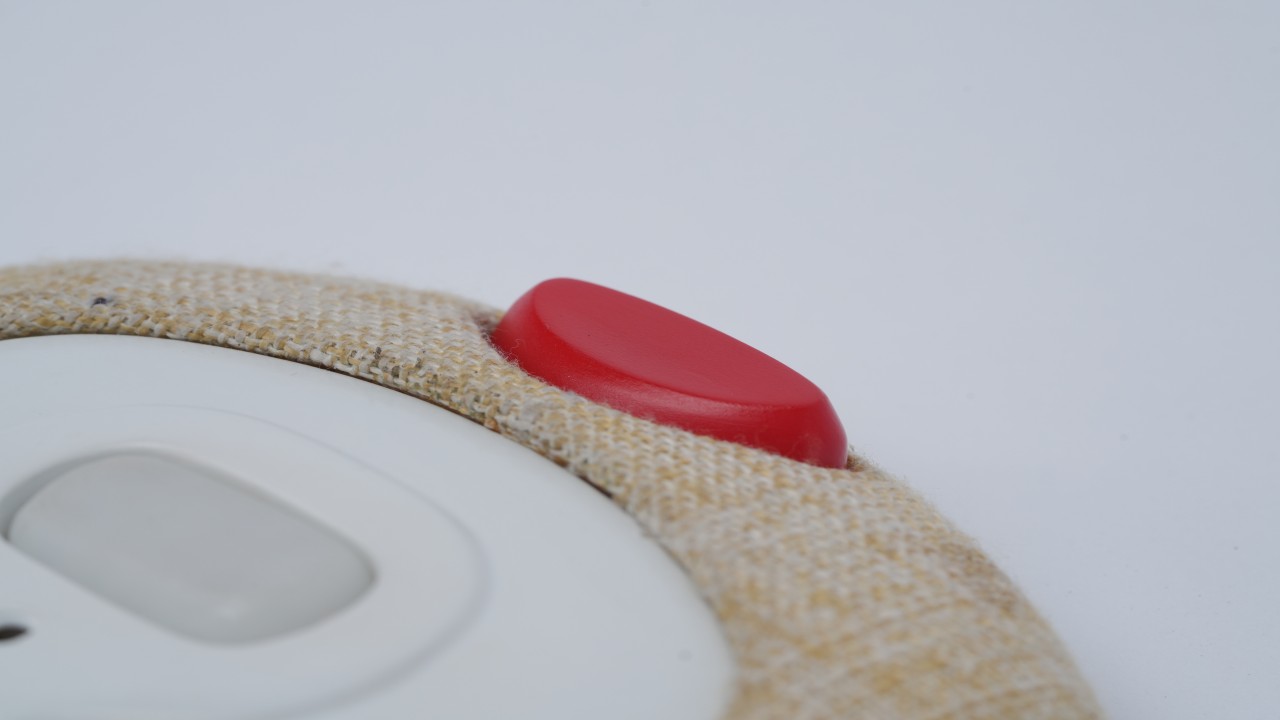
Our solution? Switch to an SOS button. A universally recognized action, a button is instinctive—you see it, you press it. This simple shift improved usability, reduced manufacturing complexity, and reinforced RideBuddy’s core promise: safety above everything else!
Lessons from the UX Journey: Experimentation, Adaptation, and Innovation
A good UX journey isn’t built overnight—it’s a continuous process of testing, learning, and refining. Here are some key takeaways from our journey:
✔ Design Thinking Drives Meaningful Solutions – Instead of assuming, we built a blueprint and tested and kept making iterations whenever and wherever it is needed. This approach helped us create solutions that truly enhance user experience.
✔ Rapid Iteration Accelerates Progress – Techniques like Wizard of Oz testing and RITE (Rapid Iterative Testing & Evaluation) enabled us to identify challenges early and adapt quickly. Adaptability is the key.
✔ Modular Design Enables Smarter Decisions – A flexible dashboard architecture empowered fleet operators with real-time insights, ensuring the final product is both intuitive and future-ready.
Shaping the Future of Corporate Mobility, One Iteration at a Time
The UX journey of RideBuddy continues to evolve. Every ride, every interaction, and every test bring new insights—pushing the boundaries of safety, intelligence, and seamless mobility.
Because RideBuddy isn’t just a device—it’s our commitment to making every journey safer and smarter.
The road ahead is exciting, and we can’t wait to keep innovating. Stay tuned!